





What features define a good pure sine wave inverter for RVs?
- 1. How do I determine the appropriate wattage for a pure sine wave inverter in my RV?
- 2. What are the key features to look for in a pure sine wave inverter for RVs?
- 3. How does the efficiency of a pure sine wave inverter impact my RV's energy consumption?
- 4. What safety features should I prioritize when selecting a pure sine wave inverter for my RV?
- 5. How do I install a pure sine wave inverter in my RV?
- 6. What maintenance is required for a pure sine wave inverter in an RV?
1. How do I determine the appropriate wattage for a pure sine wave inverter in my RV?
Choosing the right wattage for your RV's pure sine wave inverter is crucial to ensure it meets your power needs without overloading. Begin by calculating the total wattage of all devices you intend to run simultaneously. For instance, if you plan to operate a microwave (1000W), a refrigerator (150W), and a laptop (50W) at the same time, the total required wattage would be 1200W. It's advisable to select an inverter with a continuous power rating slightly higher than this total to accommodate any additional surge power requirements.
2. What are the key features to look for in a pure sine wave inverter for RVs?
When selecting a pure sine wave inverter for your RV, consider the following features:
- Battery Compatibility: Ensure the inverter matches your RV's battery voltage (commonly 12V or 24V) and is compatible with your battery type (AGM, Gel, or Lithium).
- Efficiency: Opt for inverters with high efficiency (90% or above) to minimize energy loss and extend battery life.
- Safety Protections: Look for inverters with built-in protections such as overload, overheat, short circuit, and low/high voltage shutdown to safeguard your equipment.
- Portability and Mounting: Choose a compact and lightweight design that fits your RV's space constraints and includes mounting options for secure installation.
- Remote Monitoring and Control: Consider inverters with remote control capabilities or monitoring apps for convenient operation and system status checks.
3. How does the efficiency of a pure sine wave inverter impact my RV's energy consumption?
The efficiency of a pure sine wave inverter directly affects your RV's energy consumption and battery life. Higher efficiency means less energy is lost during the DC to AC conversion process, resulting in more power available for your appliances and longer battery runtime. For example, an inverter with 90% efficiency will convert 90% of the DC power into usable AC power, with only 10% lost as heat.
4. What safety features should I prioritize when selecting a pure sine wave inverter for my RV?
Prioritizing safety features in your RV's pure sine wave inverter is essential to protect both your equipment and personal safety. Key safety features to look for include:
- Overload Protection: Prevents the inverter from operating beyond its capacity, reducing the risk of damage.
- Overheat Protection: Shuts down the inverter if it exceeds safe operating temperatures, preventing thermal damage.
- Short Circuit Protection: Safeguards against electrical faults that could cause fires or equipment damage.
- Low/High Voltage Shutdown: Protects the inverter and connected devices from voltage fluctuations that could cause harm.
5. How do I install a pure sine wave inverter in my RV?
Installing a pure sine wave inverter in your RV involves several steps:
- Choose an Appropriate Location: Select a dry, well-ventilated area close to your battery bank to minimize power loss and ensure safety.
- Mount the Inverter: Secure the inverter using the provided mounting hardware, ensuring it's stable and accessible for maintenance.
- Connect to the Battery: Use appropriately sized cables to connect the inverter's DC input terminals to your battery bank, observing correct polarity to prevent damage.
- Connect AC Output: Depending on your inverter model, connect the AC output to your RV's electrical panel or directly to appliances, following the manufacturer's guidelines.
- Test the System: After installation, test the inverter by powering on connected devices to ensure proper operation.
6. What maintenance is required for a pure sine wave inverter in an RV?
Regular maintenance of your RV's pure sine wave inverter ensures optimal performance and longevity. Maintenance tasks include:
- Cleaning: Periodically remove dust and debris from the inverter's vents and cooling fans to maintain airflow and prevent overheating.
- Inspection: Check all connections for signs of wear, corrosion, or loose terminals, and tighten or replace components as necessary.
- Firmware Updates: If your inverter has upgradable firmware, check for updates from the manufacturer to ensure you have the latest features and improvements.
- Battery Maintenance: Regularly inspect and maintain your battery bank, as the inverter's performance is closely linked to battery health.
By carefully considering these factors, you can select a pure sine wave inverter that meets your RV's power needs, ensures safety, and enhances your off-grid experience. For personalized recommendations and a quote, please contact us at info@csinverter.com or visit our website at www.csinverter.com.


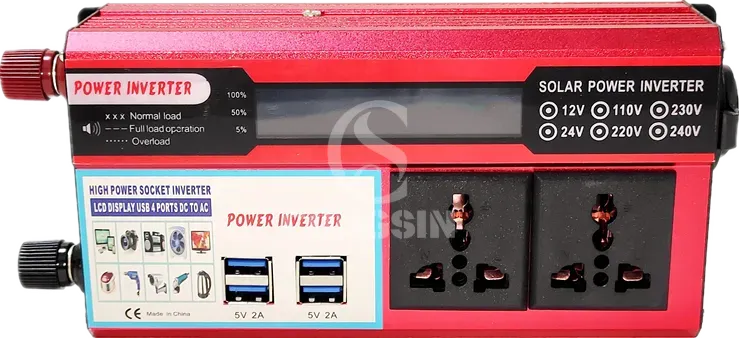
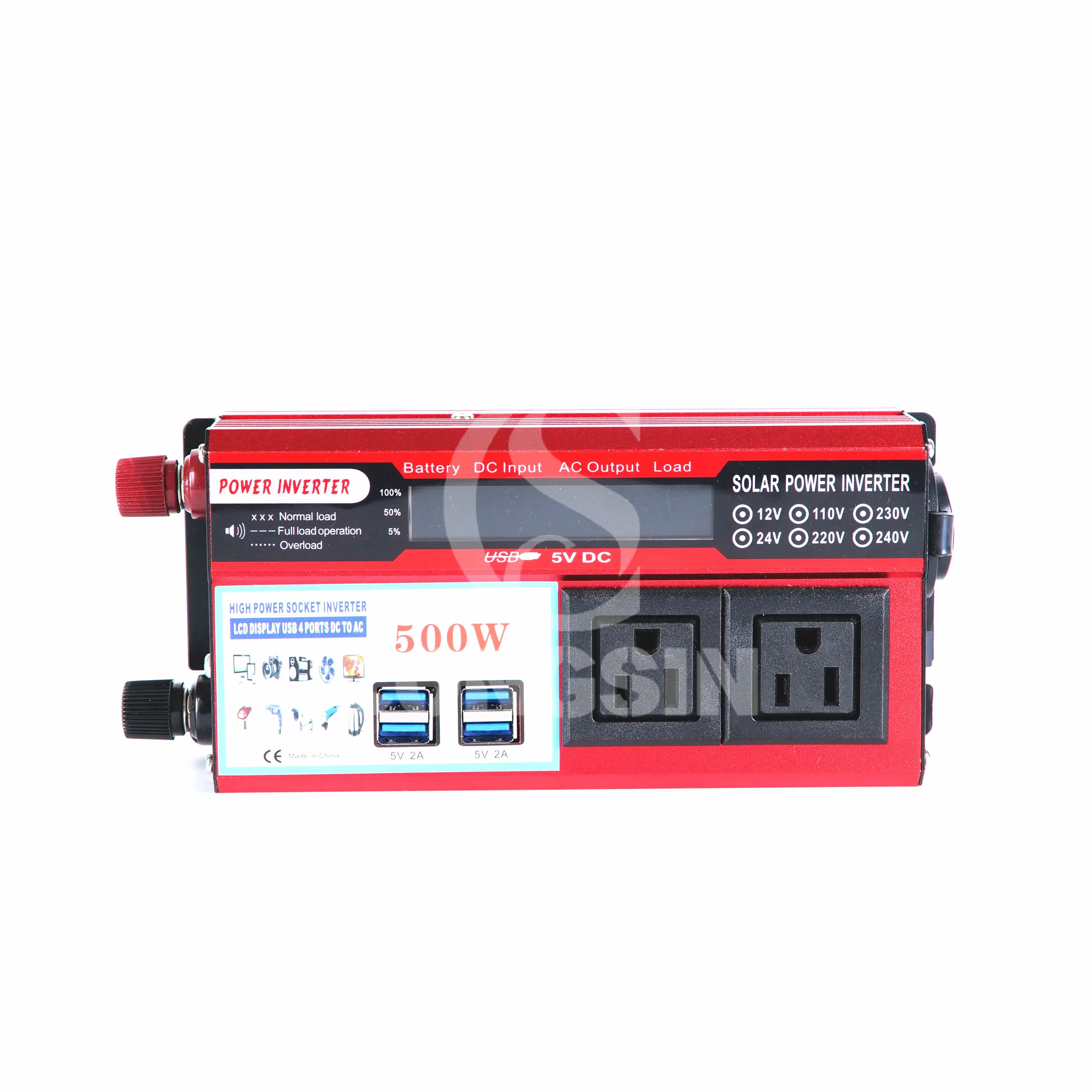
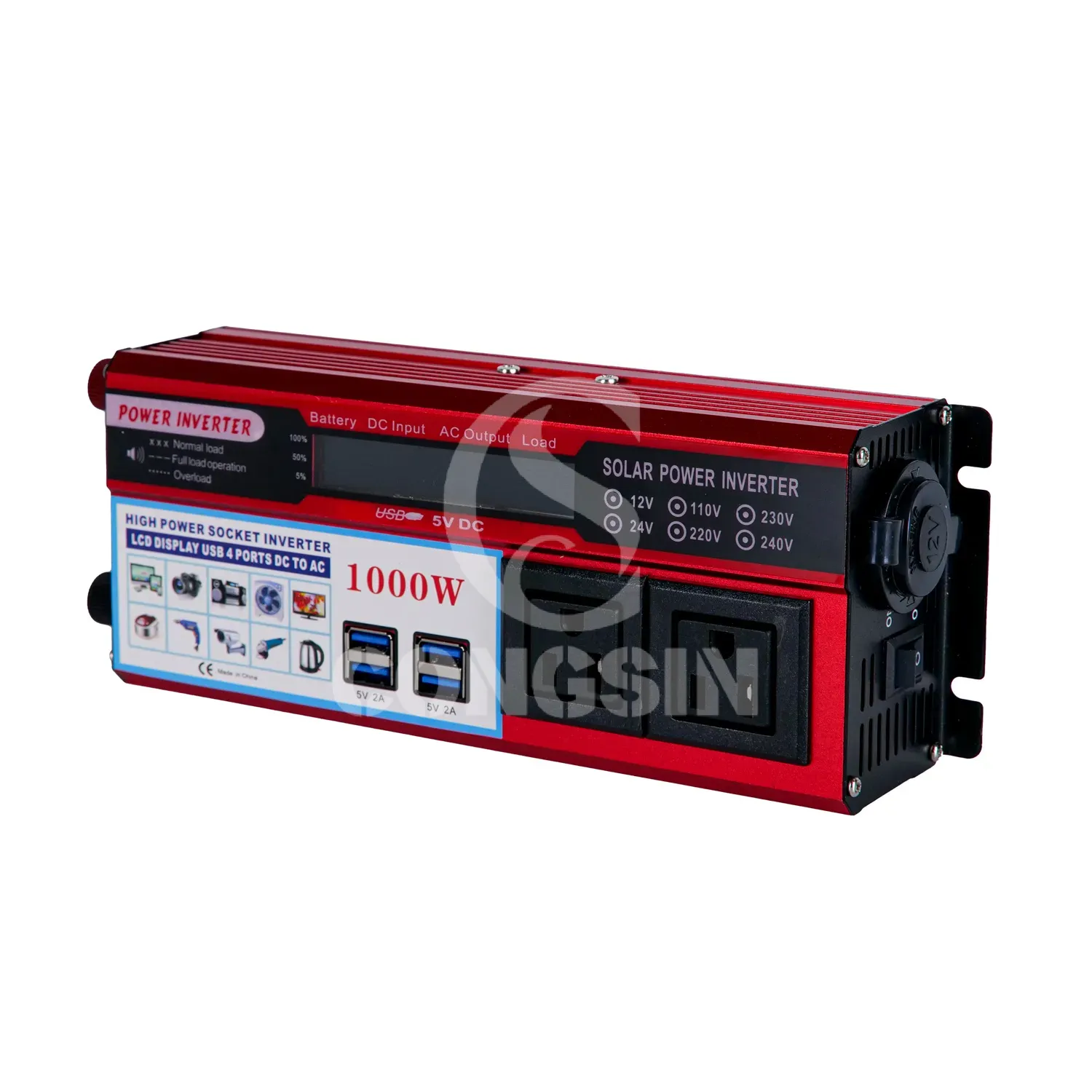
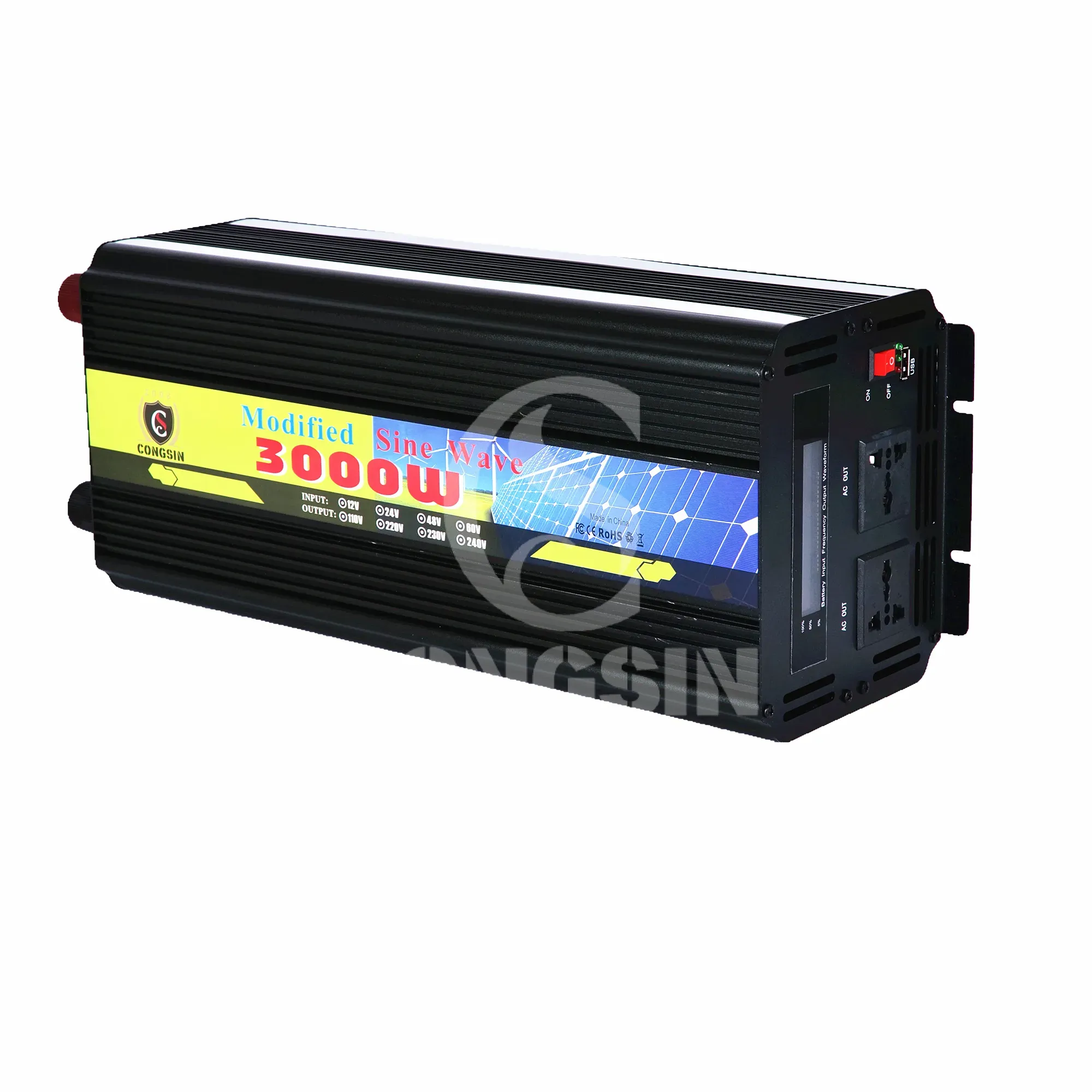
Modified Sine Wave Inverters
Is it normal for the inverter to heat up when working?
It is normal for it to generate some heat when working. If the temperature is too high (e.g., hot to the touch), please stop using it and check if the load is overloaded.
How to connect to the battery?
Use the included battery clips, connect the red clip to the positive pole of the battery and the black clip to the negative pole. Ensure good contact and no short-circuit risk when connecting.
Pure Sine Wave Inverters
Can it be used in RVs or trucks?
Yes. The device input voltage is DC 12V, which matches the battery voltage of RVs and trucks. It can be connected via battery clips or cigarette lighter interface (need to confirm that the maximum current of the cigarette lighter is ≥10A) to supply power to car refrigerators, parking air conditioners, laptops, etc.
Can this inverter drive a 3P air conditioner and a refrigerator at the same time?
Yes. The rated power of a 3P air conditioner is about 2200W-2500W, and an ordinary double-door refrigerator is about 150W-300W, with a total power of about 2350W-2800W, which does not exceed the 3000W continuous power; and the peak 6000W can cope with the instantaneous startup impact of the air conditioner. When using, ensure the battery capacity is ≥200Ah (12V) to ensure battery life.
Can the 3 AC sockets drive high-power devices at the same time?
Yes, but it is necessary to ensure that the total power of the 3 devices does not exceed 2000W (continuous power). For example, it can drive 1 1000W electric oven + 1 500W microwave + 1 400W printer at the same time (total power 1900W), avoiding total power overload to trigger the protection mechanism.
Get in Touch with Our Team
You can also communicate with us directly through our online contact form. Please fill in the following information, and our team will contact you as soon as possible after receiving your message.

CONGSIN is a trusted OEM factory for power inverters, solar charge controllers, and DC converters. Reliable solutions for global B2B buyers.
 High Quality
 7/24 Service
 Guaranteed Warranty
© 2025 Congsin. All Rights Reserved.